
"Aurelia II"
3680 article(s) found

Introduction to the characteristics of Ugandan boutique coffee bean flavor and taste manor with balanced acidity
After the first World War, the long-standing dissatisfaction of the Ugandan people with colonial rule finally broke out. A national general strike and rural riots broke out in 1918. In 1919 Buganda launched a democratic movement under the leadership of the Bataka Party and the African Farmers' Union of Uganda. In 1921, Uganda's first national political party, the Ugandan National Congress Party, was established and proposed the implementation of universal suffrage.

Three waves of coffee in history
The first coffee wave: in the 1930s and 1940s, the US military took coffee as a necessity around the world to prevent combat fatigue, and the bitterness of coffee was known by the public as a pick-me-up. Then the invention and rise of instant coffee. The second Coffee Wave: after World War II, the Italian method of steam pressure extraction of espresso began to be familiar and accepted.

How to make fragrant coffee at home
Four factors affecting coffee brewing: I ratio: 10g coffee powder + 180ML water = A CUP II freshness: oxygen + light + heat + humidity = the heart and lungs of the four enemies of coffee were sealed and stored in a cool place within a week after opening. III grinding: best effect-fresh grinding and grinding thickness = the smaller the degree, the finer the coffee powder is. It is suitable for espresso machine, French.

Three coffee waves
The first coffee wave: in the 1930s and 1940s, the US military took coffee as a necessity around the world to prevent combat fatigue, and the bitterness of coffee was known by the public as a pick-me-up. Then the invention and rise of instant coffee. The second Coffee Wave: after World War II, the Italian method of steam pressure extraction of espresso began to be familiar and accepted.

Fine coffee tables and chairs from the '50s and' 60s
Designers Charles and Ray Eames have had an indissoluble relationship with Herman Miller since 1946 when they introduced two bold and innovative designs made of plywood for dining chairs and sofa chairs.
The origin of American coffee
In fact, American coffee was during World War II, when American soldiers who could not get used to European espresso mixed warm water into the Espresso and improved the light coffee that suited their taste. Because the drinkers at that time were mainly American soldiers, the owners of the coffee shop regarded it as American coffee. In fact, most Americans use trickle filter to make black coffee and dilute Espresso with water.

Coffee Culture Tide-- three Coffee Tides in World History
The first coffee wave: in the 1930s and 1940s, the US military took coffee as a necessity around the world to prevent combat fatigue, and the bitterness of coffee was known by the public as a pick-me-up. Then the invention and rise of instant coffee. The second Coffee Wave: after World War II, the Italian method of steam pressure extraction of espresso began to be familiar and accepted.

Three coffee waves in coffee culture history
The first coffee wave: In the 1930s and 1940s, the U.S. military brought coffee to all parts of the world as a necessity to prevent fatigue during combat, and the bitter taste of coffee served as a refreshing effect. Then came the invention and rise of instant coffee. Second coffee wave: After World War II, Italy's method of steam pressure extraction of espresso began to be familiar and accepted.
Three waves of Coffee in the History of Coffee
The first coffee wave: in the 1930s and 1940s, the US military took coffee as a necessity around the world to prevent combat fatigue, and the bitterness of coffee was known by the public as a pick-me-up. Then the invention and rise of instant coffee. The second Coffee Wave: after World War II, the Italian method of steam pressure extraction of espresso began to be familiar and accepted.
Three waves of Coffee in the History of Fine Coffee Culture
The first coffee wave: in the 1930s and 1940s, the US military took coffee as a necessity around the world to prevent combat fatigue, and the bitterness of coffee was known by the public as a pick-me-up. Then the invention and rise of instant coffee. The second Coffee Wave: after World War II, the Italian method of steam pressure extraction of espresso began to be familiar and accepted.

Three waves of Coffee in the History of Fine Coffee
The first coffee wave: in the 1930s and 1940s, the US military took coffee as a necessity around the world to prevent combat fatigue, and the bitterness of coffee was known by the public as a pick-me-up. Then the invention and rise of instant coffee. The second Coffee Wave: after World War II, the Italian method of steam pressure extraction of espresso began to be familiar and accepted.

Four factors affecting coffee brewing common sense of coffee
I ratio: 10g coffee powder + 180ML water = A CUP II freshness: oxygen + light + heat + humidity = the heart and lungs of the four enemies of coffee were sealed and stored in a cool place within a week after opening. III grinding: the best effect-the smaller the degree is, the finer the coffee powder is, the finer the coffee powder is, which is suitable for espresso machine, French drip filter 5 degrees, suitable for alcohol burning.

Kunming specialty cafe recommendation-Fangyuan five miles coffee
A quiet family cafe sprouting in downtown Kunming in 2014. Hope to use carefully selected fresh roasted high-quality beans + careful brewing, to provide you with a cup of good coffee. Make a cup of coffee every day. Cafe Address: C-005, Huidu International Phase II, Dongfeng East Road, Kunming City. Tel: +86-15388846760

Coffee shop location four rules open knowledge
1, the choice of location 1. In the city, the old and new areas of the town junction, commercial street and although not prosperous but there is real development potential, convenient transportation; 2. Generally at the intersection, L surface, U surface; 3. Need to choose on the first floor and the second floor, such as on the second floor, the first floor needs to have a facade. II. Area, parking space and interior requirements 1. It should be more than 600 square meters; 2. At least 15

When was the first coffee wave?
The first coffee wave: In the 1930s and 1940s, the U.S. military brought coffee to all parts of the world as a necessity to prevent fatigue during combat, and the bitter taste of coffee served as a refreshing effect. Then came the invention and rise of instant coffee. Second coffee wave: After World War II, Italy's method of steam pressure extraction of espresso began to be familiar and accepted.
Cafe Tomaselli Austria Cafe, the old coffee shop that is still in business.
Cafe Tomaselli was born in 1703 in the old market in Salzburg, Austria. Salzburg is the hometown of Mozart. Mozart likes to order Einspanner (black coffee with cream and tall glasses) in this coffee shop. After World War II, the coffee shop was changed into a doughnut shop, which caused great dissatisfaction among the citizens. After returning to the Austrians in 1950, it was restored to the old days.

Coffee is generally used in the three stages of the global trend of brewing coffee.
The global trend of modern coffee has gone through three popular stages: the first stage is the popularity of cheap coffee represented by instant coffee from the post-World War II to the 1960s; the second stage is the popularity of commercial coffee represented by Starbucks from the 1960s to the beginning of this century; the third stage is the popularity of boutique coffee, which originated in the 1970s and has become a trend in the past decade.

Guatemala Coffee Manor recommends Guatemala Drum Manor Coffee how about Drum Manor Coffee
Professional Coffee knowledge Exchange more information on coffee beans Please follow Coffee Workshop (Wechat official account cafe_style) EL TAMBOR decades ago, farmers in this land heard loud thumping underground, but only during the rainy season. It is thought to be a huge underground waterfall, but it has not been heard since World War II. That's the name El Tambor or drum.
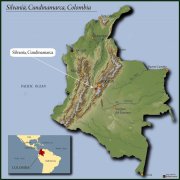
Kundinamaka Coffee Bean Flavor introduction to Coffee producing areas of Candinamaka, Colombia
Around 1860, the province of Cundinamarca began to grow coffee on the western slope, and then slowly moved northwest over the next decade or two. This area is the second Colombian province to start export, and production peaked during World War II. There used to be many very large estates here, some with more than a million coffee trees.

Introduction to the origin of coffee-"Rwanda, Burundi" of the African Department
For the exchange of professional baristas, please follow the coffee workshop (Wechat official account cafe_style) today to introduce the five East African countries, and then introduce the coffee from the five East African countries individually. In 2015, five East African Communities, including Kenya, Tanzania, Burundi, Rwanda and Uganda, proposed that five countries be merged into a federal state, using a common constitution, president, parliament and goods.